
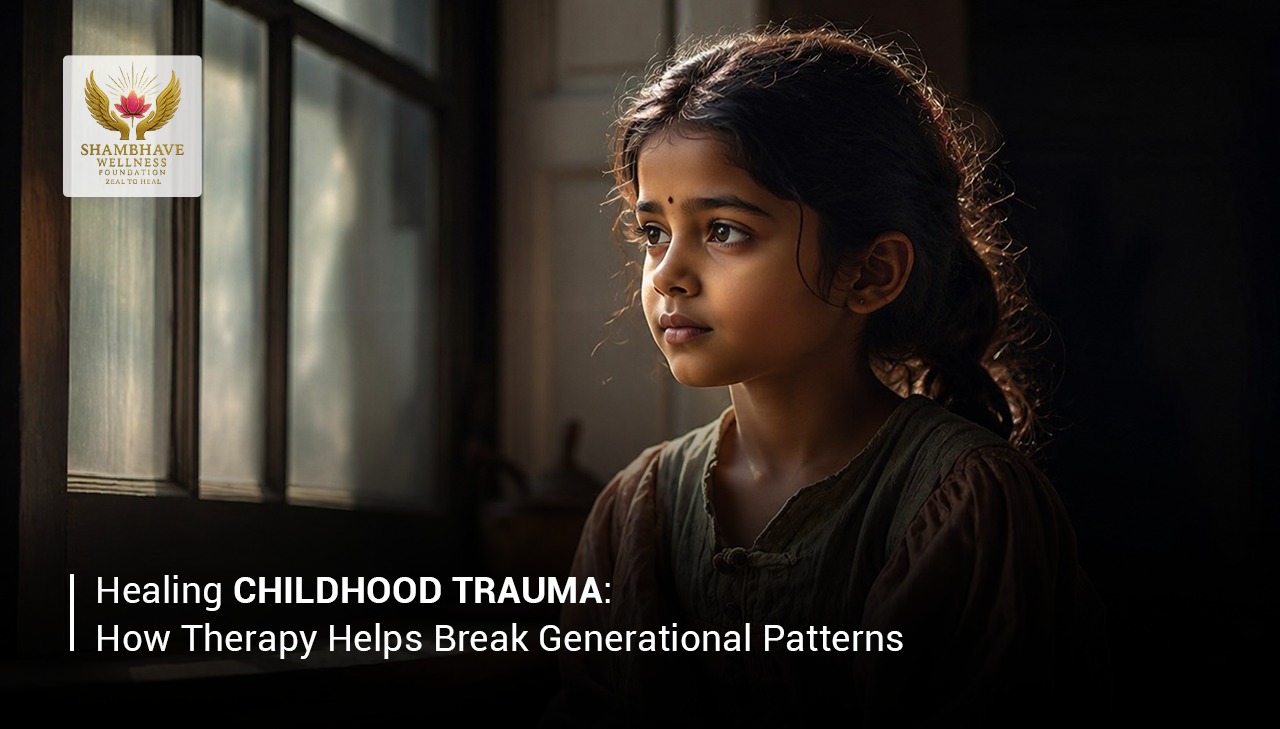
Childhood trauma is not a thing to be shared; it is a thing that can be passed down. The unresolved pain, fear, or neglect can affect our relationships, coping skills, and parenting the children in our own lives. But there's hope. Healing childhood trauma can help end generational cycles and help your family move on to a healthier future with the right support.
We specialize in trauma therapy, family counseling, and pathways of emotional healing at Shambhave Wellness Foundation to assist in deep healing and life changes for individuals and families.
Childhood trauma is any emotionally distressing or threatening event that happens prior to age 18. These can include:
Sexual, emotional or physical abuse
Neglect or abandonment
Domestic violence within the family.
Losing a parent/carer
How to cope when parents have addictions or mental health issues
These experiences can negatively affect a child's sense of safety and trust and impact their perception of the world and themselves.
How Childhood Trauma Impacts Adults
Chronic unresolved childhood trauma can impact adulthood in many ways:
Social Skills: Trouble befriending others, attachment issues, or unhealthy patterns that repeat in relationships. Interpersonal: Issues with trust, attachment, and unhealthy patterns that repeat in interactions with others.
Impulsive Stress Response: Strong emotional responses to stress, anger, or sadness
Self-Perception: Poor self-worth, shame, or feeling “broken”
Parenting: Reinforcing negative behaviors or being unable to relate to children.
Physical Health: Risk of anxiety, depression, chronic pain, or autoimmune disorders are increased.
These patterns can unconsciously be passed down from one generation to the next, known as generational trauma.
What is Generational Trauma?
Generational trauma (or intergenerational trauma) is when the effects of trauma are passed down from parents to children. This can be accomplished by:
Behavior: Unresolved anger, fear or emotional distancing
Communication: lack of pain, punishment or inconsistent care
Biology: Stress responses that are coded inside the child's nervous system and are linked to the way that children control their emotions.
For instance, a parent who suffered from abuse may not be able to be patient or emotionally connected with their child, whether or not they realize it or not, repeating the negative patterns of the past.
Why Therapy Can Help to Break Generational Patterns
Trauma therapy is the initial process in the healing journey. It allows you to grasp the cause of your suffering, the way you relate to challenging emotions, and the more helpful ways of coping. Therapy is our way of working:
Establishing safety andtrust. .Building safety and trust.
Therapy is a safe environment to delve into painful memories without judgment. Trust is established in the therapist, which can help restore a sense of safety.
Processing Trauma Memories
With the help of techniques such as TF-CBT (Trauma-Focused Cognitive Behavioral Therapy), EMDR (Eye Movement Desensitization and Reprocessing), or somatic therapy, therapists can guide you through the process of trauma processing without being overwhelmed.
Rewiring Emotional Responses
Therapy assists you to recognize and change automatic stress reactions. As the years go by, you develop a response to problems that is calm and not fearful or angry.
Improving Relationships
Family counseling will help you learn how to communicate better with your family, how to restore trust, and how to allow your relationship to grow.
Teaching Healthy Parenting
Therapy will enable you to look at the past and understand its impact on your parenting. You find out new ways to nurture, protect, and emotionally support your children, ending the cycle.
The Role of Family Counseling
Family counseling is very effective in healing generational trauma. It does so, involving the whole family in the healing process, a process that benefits everyone:
Recognize the impact of trauma on individuals.
Talk openly, but do not blame anyone
Set healthy boundaries
Develop empathy and trust.
In a family unit, emotional healing is more and more robust and long-lasting.
What to expect in Trauma Therapy
Our trauma therapy practice at Shambhave Wellness Foundation is compassionate, evidence-based, and individualized. Here are some of the things you may find:
Initial Assessment: Finding out your history, symptoms, and objectives.
Individual Sessions: Trauma Processing and Coping Skills with Individual Therapy.
Family Sessions: Family counseling to mend relationships and help with communicating better!
Group Support: Making connection with others who have gone through similar issues.
Mindfulness and Somatic Practices: Meditation, breathwork and body-based healing to manage stress
We're here to help you on your journey of emotional healing.
Signs that may mean you need trauma therapy:
If you have any of the following symptoms, it is worth considering trauma therapy:
Reoccurring nightmares or flashbacks
Extreme emotional responses to minute events
Trouble getting close to others or not trusting them.
Feeling stressed or anxious
Repeating negative relationship or parenting styles
Having a negative self-perception or feeling of failure or guilt.
There is no need to go through this by yourself. Healing is possible.
Healing childhood Trauma Is Possible
When it comes to healing childhood trauma, it is not about forgetting the past; it is about reclaiming your present and future. Through trauma therapy, family counseling, and emotional healing, you can change the cycle and generate a better legacy for your children.
All are healers in the eyes of Shambhave Wellness Foundation. Our caring staff provides trauma-specific therapy and family counseling to assist you in getting back on track, becoming resilient, and becoming at peace.
Take the first step towards the healing process
If all of this is impacting your life or relationships, it's time to get some help! The healing process takes time, but each step you make will make you feel even better emotionally and will lead you towards a happier life.
Call Shambhave Wellness Foundation today for an appointment for trauma therapy and/or family counseling. This is the place to begin creating generational change.
Frequently Asked Questions
What is childhood trauma?
Childhood trauma is defined as an emotionally painful experience before turning 18, such as abuse, neglect, domestic violence, loss, or living with addiction or mental health problems.
Can childhood trauma affect future generations?
Yes. When trauma is left unresolved, it can be transmitted to children in the form of behavior, communication, and even biology, resulting in generational trauma.
How does therapy break generational patterns?
Trauma therapy can help you to heal from pain, change your emotional reaction, advance relationships, and know new methods for parenting, breaking the cycle for your kids.
What is family counseling?
Family counseling connects the whole family together for healing, better communication, trust, and the impact of trauma on the family members.
What are signs I need trauma therapy?
The symptoms are flashbacks, heightened emotional responses, problems trusting others, extreme stress, recurring negative patterns, or poor self-esteem.
When it comes to emotional healing, how long will it take?
Everyone is unique, and their emotional healing will be different. Progress may be made in a few months for some, and over a longer period of time for others. Be patient and persistent.