
Mental Health Myths to Be Debunked Now
Shattering Misconceptions in the Quest for Healing and Access to Care
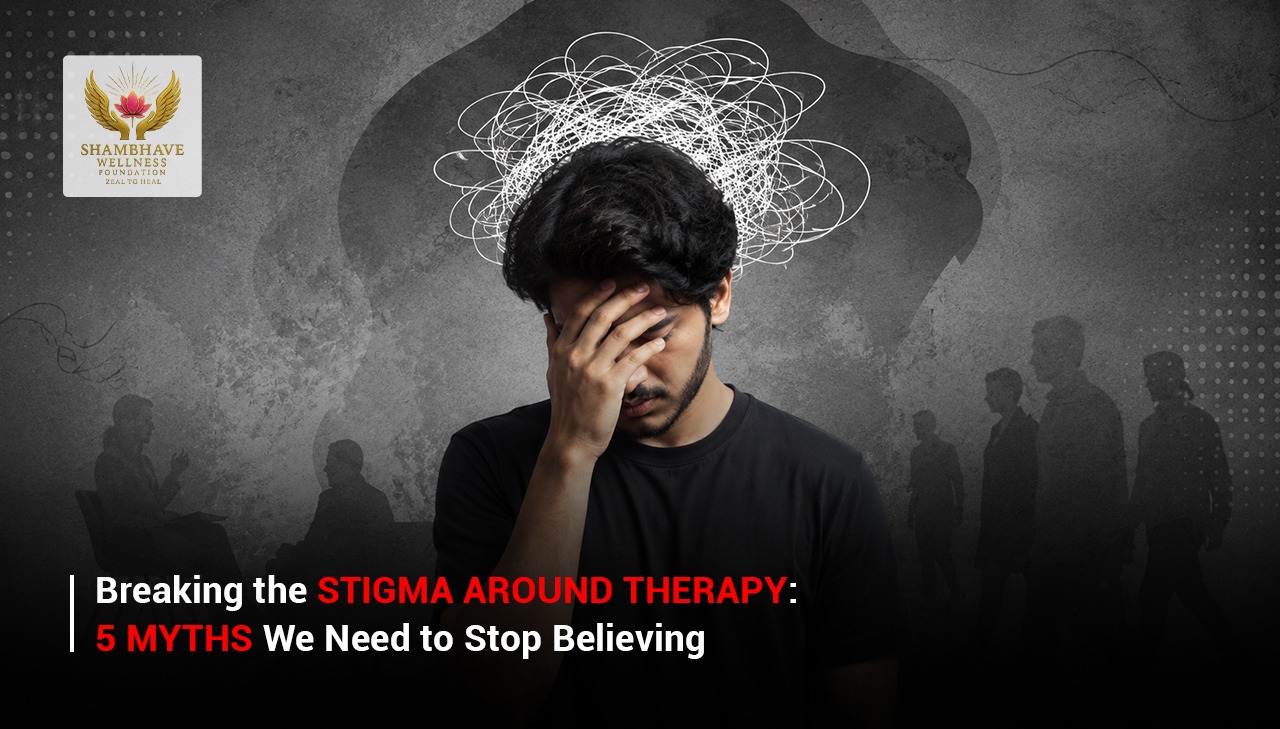
Even with all the intense public attention being given to mental health, there are still several myths out there that keep people from getting the help they should get. These myths perpetuate stigma and shame, and they can even interfere with healing.
At Shambhave Wellness, we believe knowledge is key. Here, we'll debunk some of the top mental health myths out there using facts and information backed by science and experience.
Also Read : Learning to Say No - How Therapy Can Support Healthy Boundaries
Myth #1: “Mental health conditions reflect weakness.”
Fact:
Mental health challenges do not result from one’s lack of strength or a flaw in their personality. It is a physiological and psychological condition brought on by genetics, chemical imbalances in the brain, the environment, traumatic experiences, and other factors in one’s life. Just as no one deliberately makes a conscious decision to be born diabetic or asthmatic, in the same way, they do not choose to suffer from mental disorders such as anxiety or depression.
The number of Indians who need mental health treatment based on data from NIMHANS and WHO exceeds 150 million.
Myth #2: “You don’t require therapy if you are functioning well.”
Reality:
Even high-functioning individuals may struggle with emotional disturbances, trauma, or exhaustion. It is common for an individual to be ‘fine’ on the surface while being emotionally unwell underneath. Therapy is not only meant to address emotional emergencies but is also a way of personal development.
At Shambhave Wellness, we treat a lot of students, professionals, caregivers, and artists who function well but seek help with their moods or relationships.
Myth #3: “Talking about your issues won’t make any difference.”
Fact:
Time and again, it has been proven that discussions with mental health specialists will decrease one’s symptoms, increase functionality, and increase self-awareness. The reason behind designing therapies such as CBT, DBT, and prolonged exposure therapy is to turn emotional insight into healthy behavioural shifts.
According to SAMHSA (Substance Abuse and Mental Health Services Administration), Psychotherapy has a great impact and provides lasting changes for people’s well-being.
Myth #4: “Therapy is only meant for those suffering from severe psychological disorders.”
Fact:
Therapy can benefit people at various stages of distress including people with psychological disorders such as bipolar or schizophrenia but also people dealing with grief, major transitions in life, inter-personal problems, parenting, or self-understanding.
The vision behind the Shambhave Wellness NGO organization is simple but profound – bringing about mental wellness, emotional healing, and holistic wellness for everyone. We understood that healing should not be considered a privilege but a fundamental right.
Myth #5: “Medication is a panacea, hence, no need for therapy.”
Fact:
Whereas some people might need medication, the former is usually the best when taken together with therapy. Medication may help stabilize one’s mood and reduce symptoms while therapy deals with one’s thoughts, behavior, and reactions.
The National Institute of Mental Health suggests that the treatment of depression and anxiety is usually more successful when both medication and therapy are used together than separately.
Also Read : The 5 Signs to Know You're In A Narcissistic Relationship
The Key Message
The beliefs surrounding mental health issues can prevent one from getting the help they need and continue to suffer unnecessarily because of the fear and stigma involved. Many times the problem isn't a lack of help, but rather misconceptions about counseling and the process of getting help. The undeniable truth is that therapy works, support is there, and asking for help is a sign of awareness and does not reflect weakness
One doesn't need to be overwhelmed by their problems in order to seek help. If one is struggling with anxiety, stress, emotions, relationships, and even changes in their life, the help provided through support will assist them to get more insight into what they are going through.
At City Behavioral Health, we offer compassionate and scientifically supported services which are tailored to help you. By having access to the appropriate information and resources, therapy will assist you in improving self-awareness and helping to cope better.